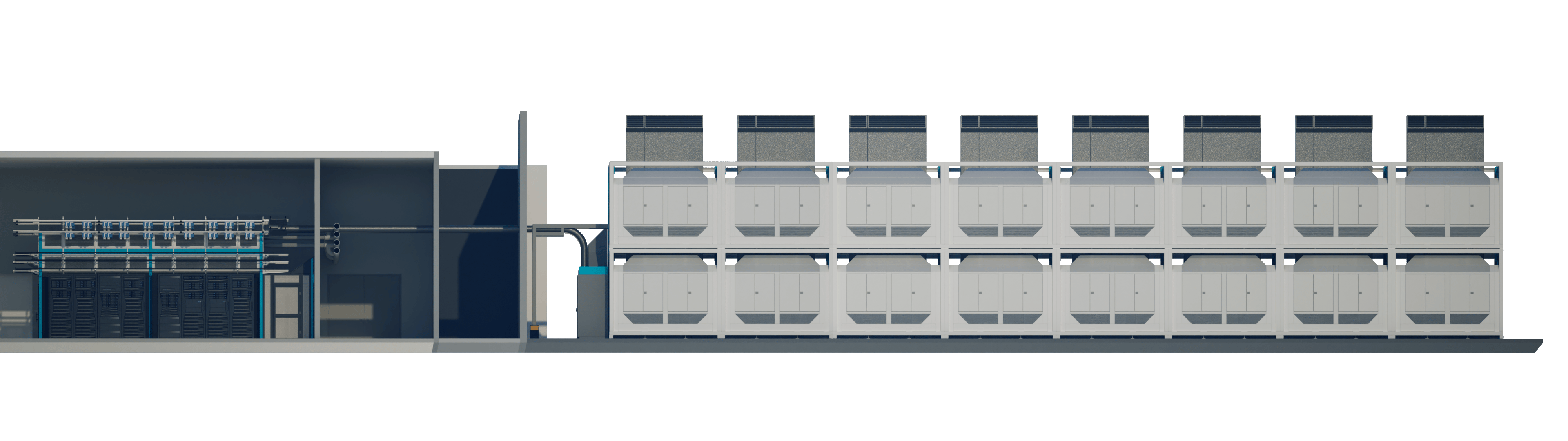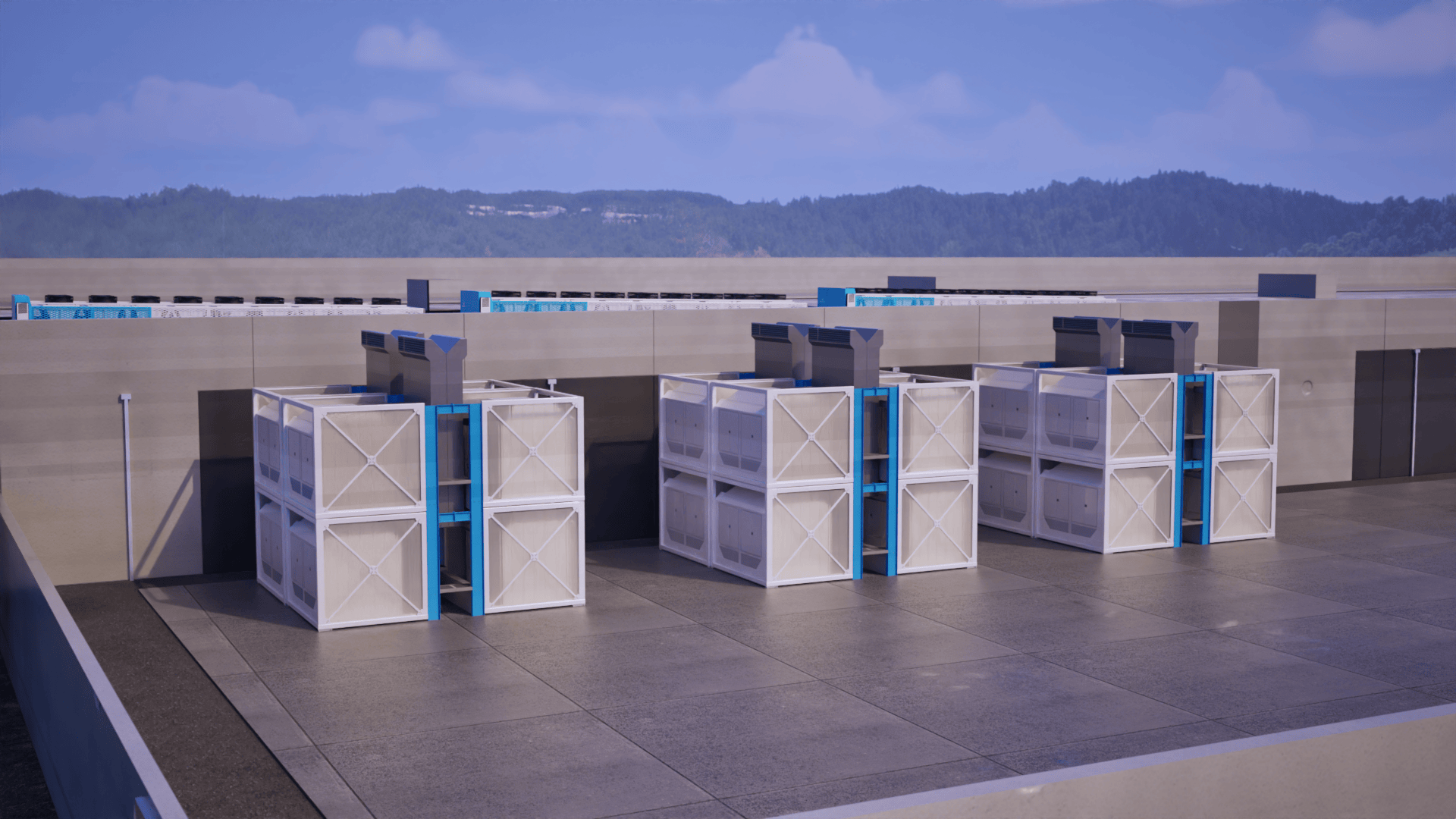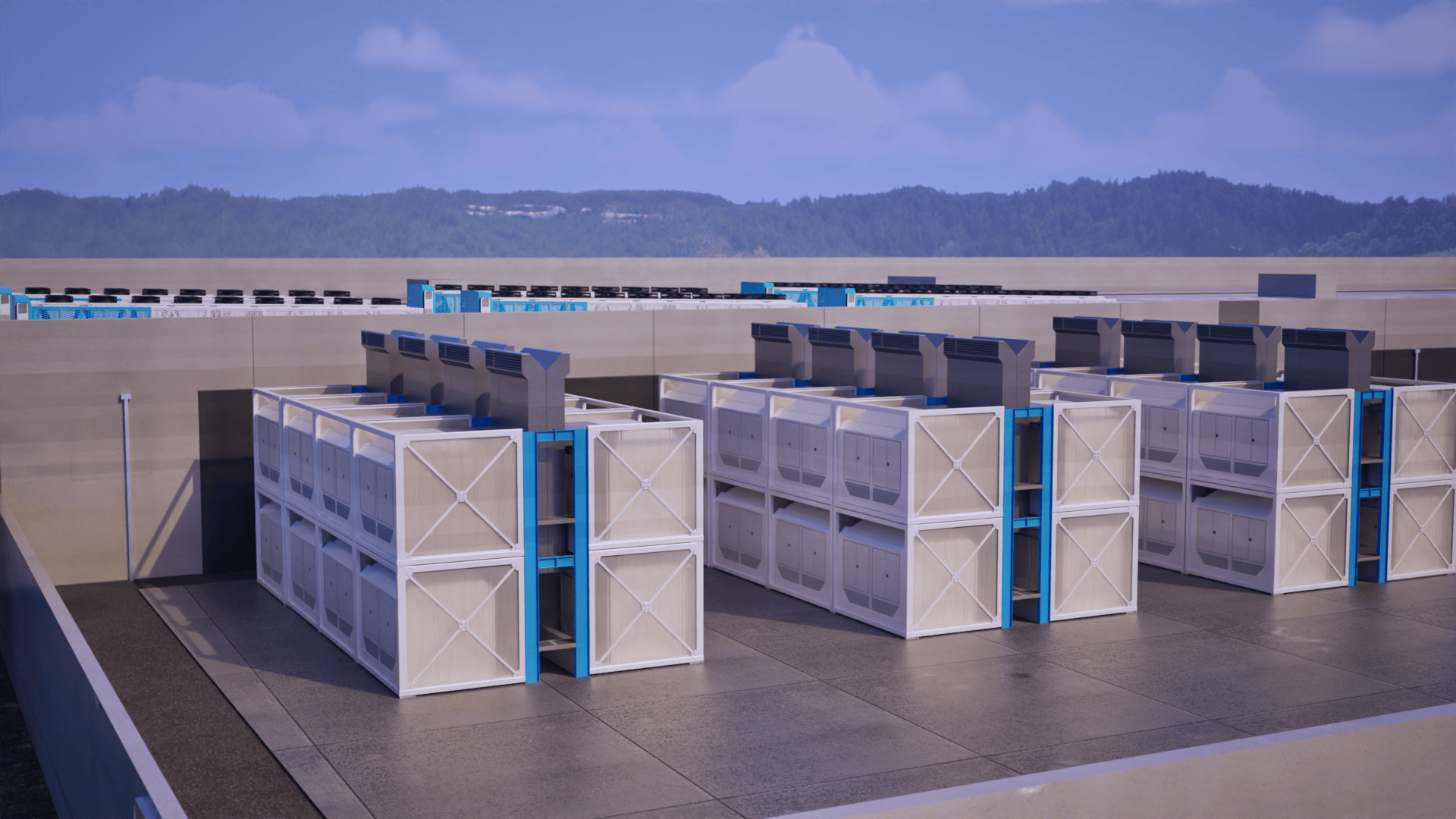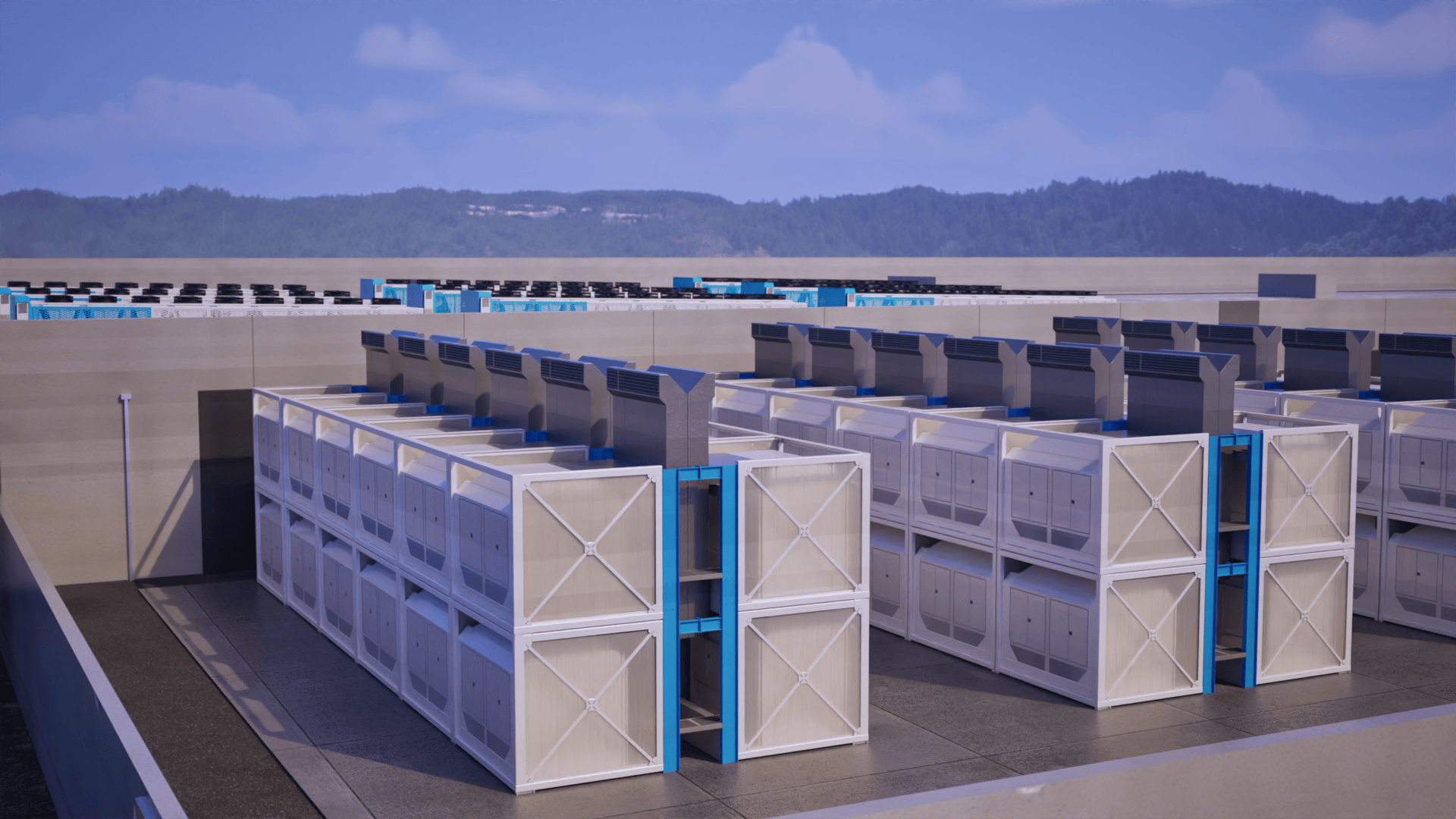
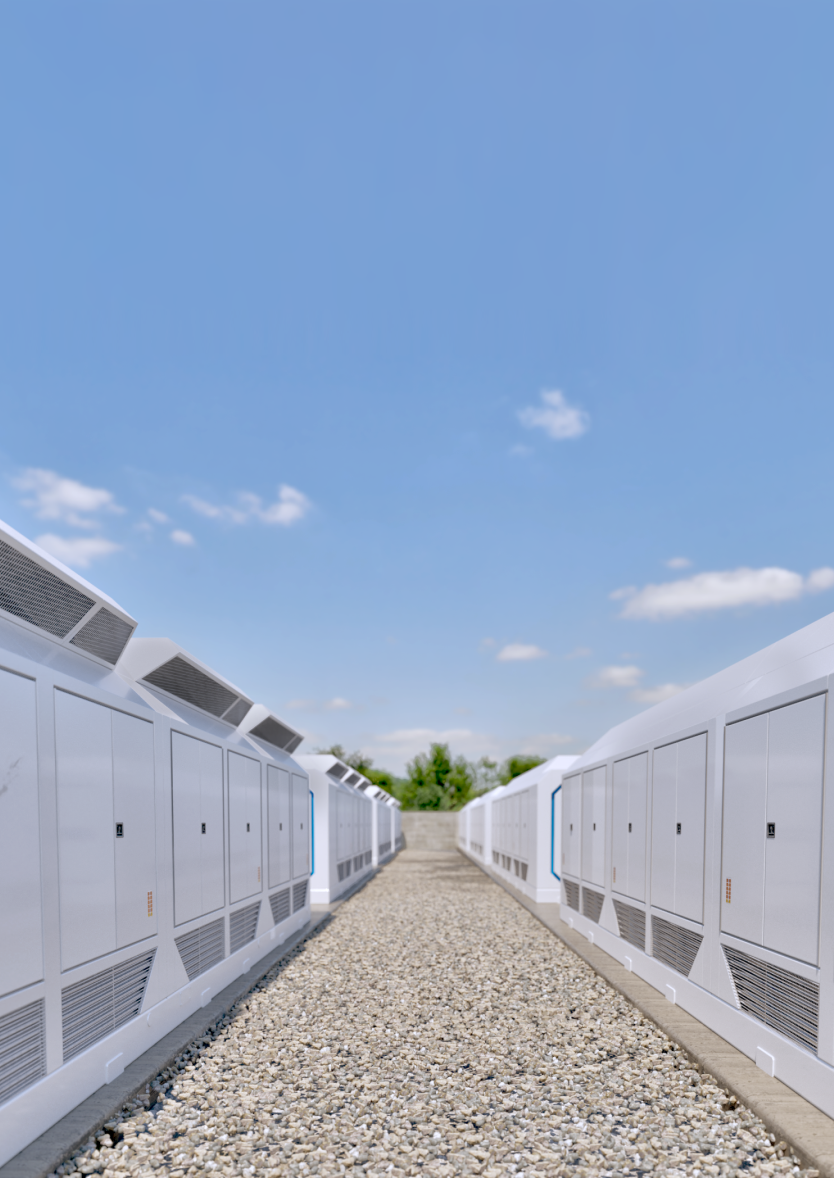





gigawatt-scale projects.
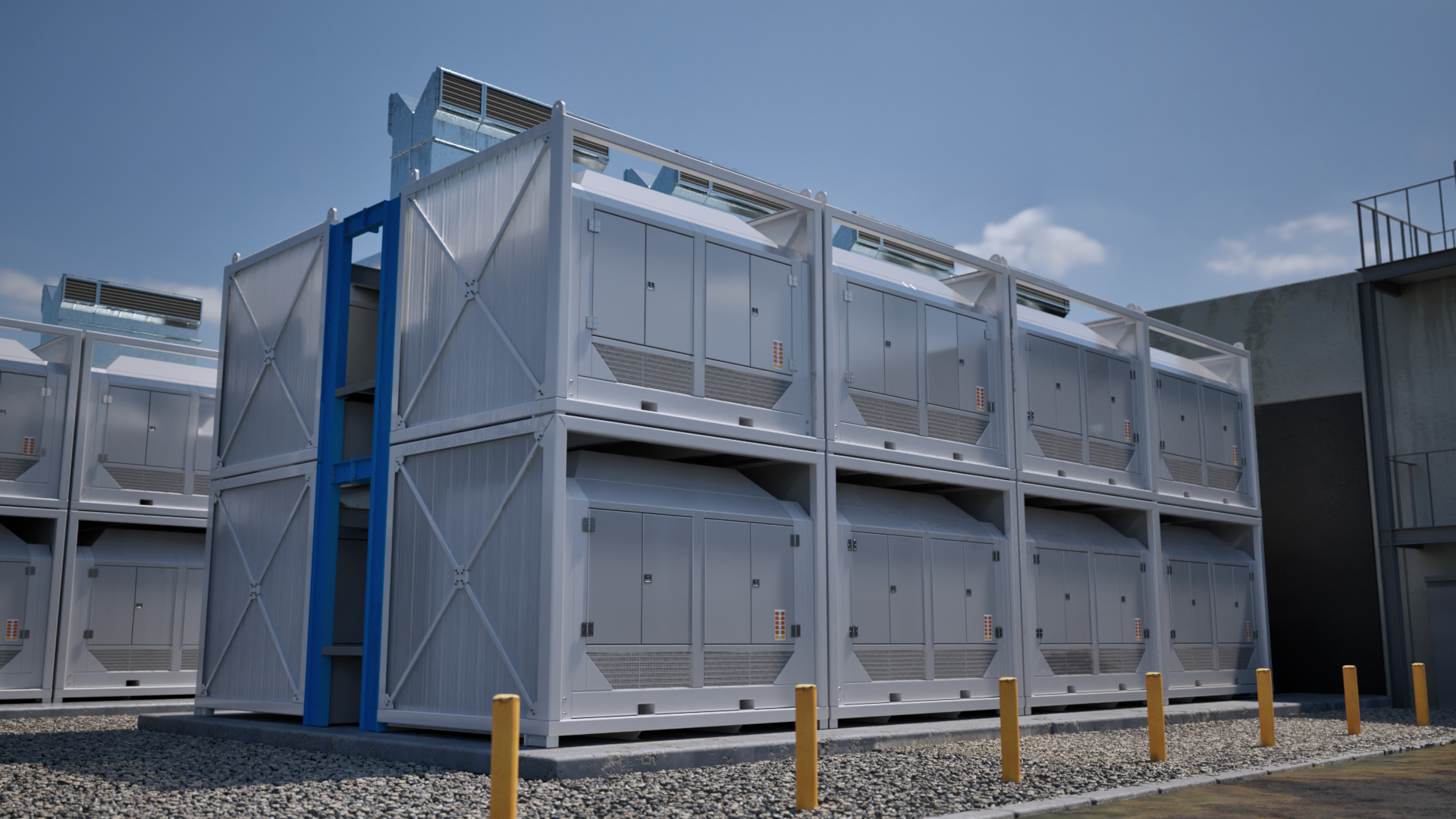
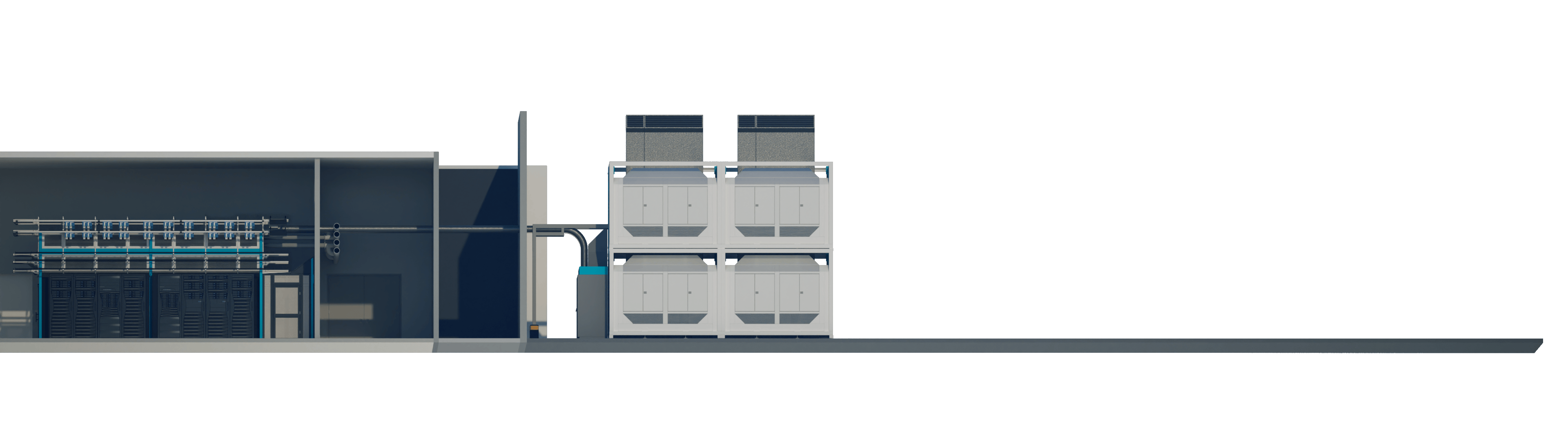
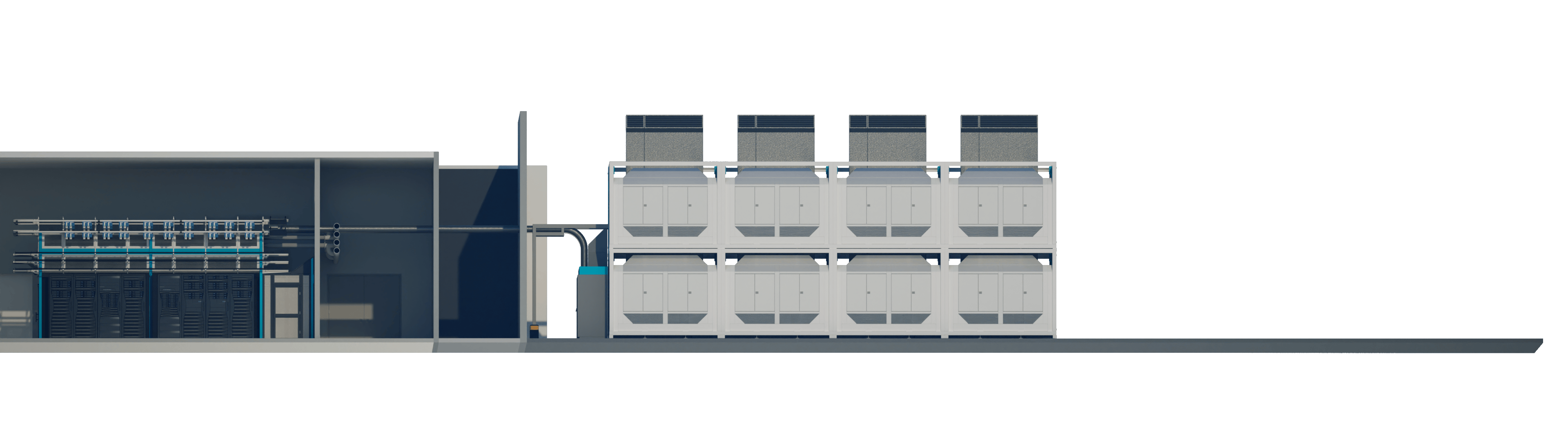
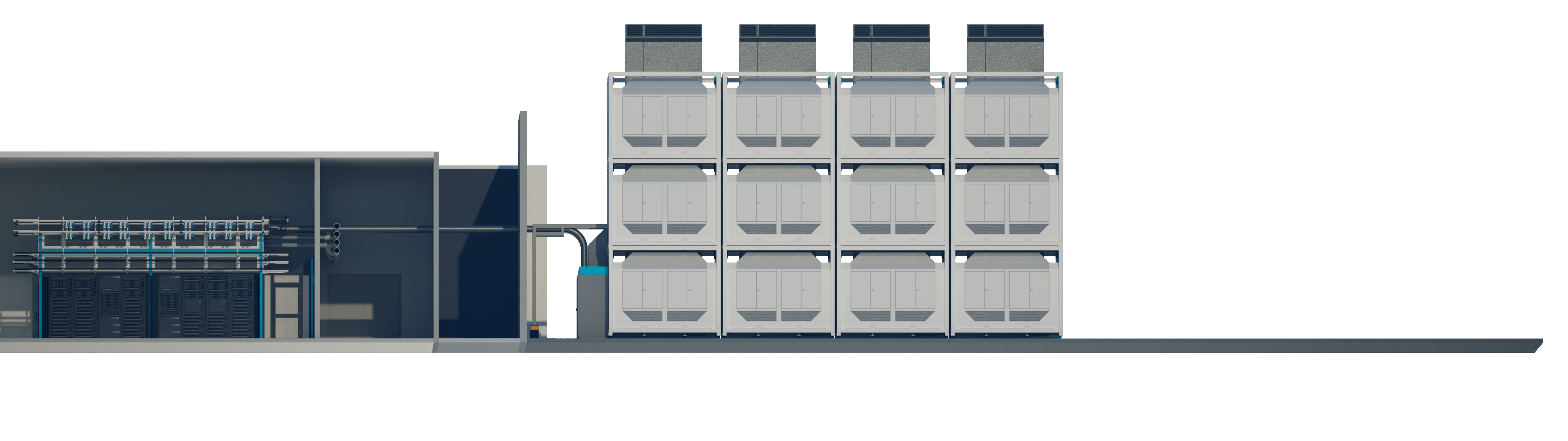
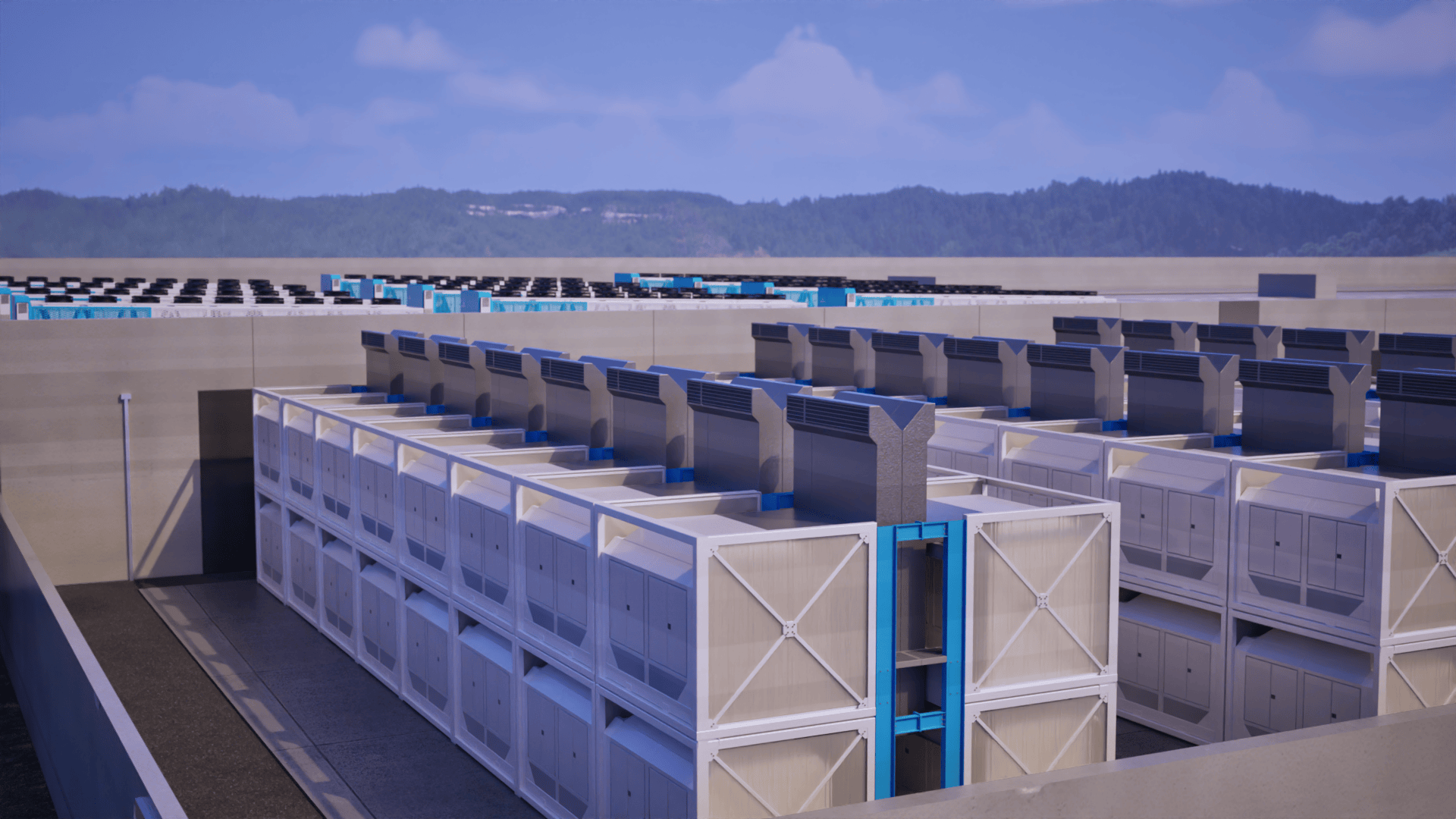
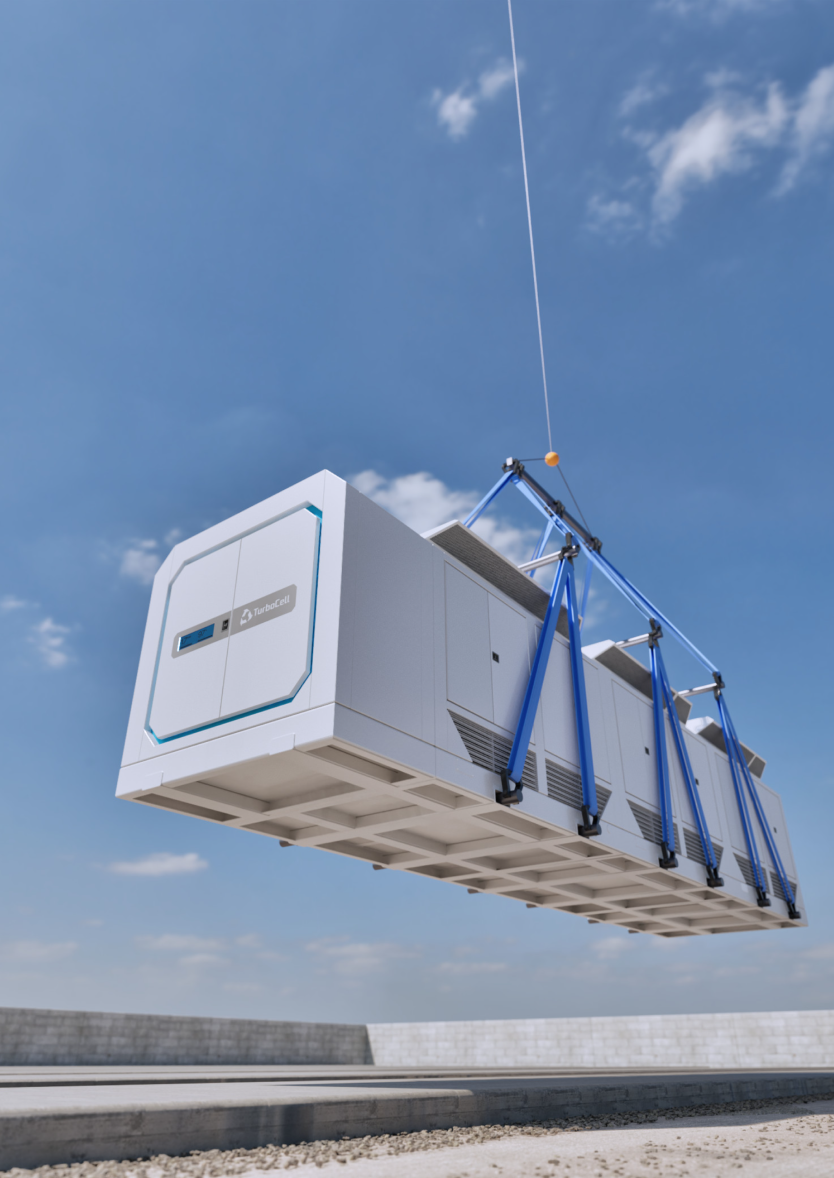
TurboCell is the multi-function AI power system built for speed and flexibility. It delivers capacity at scale and value that lasts for the long haul.


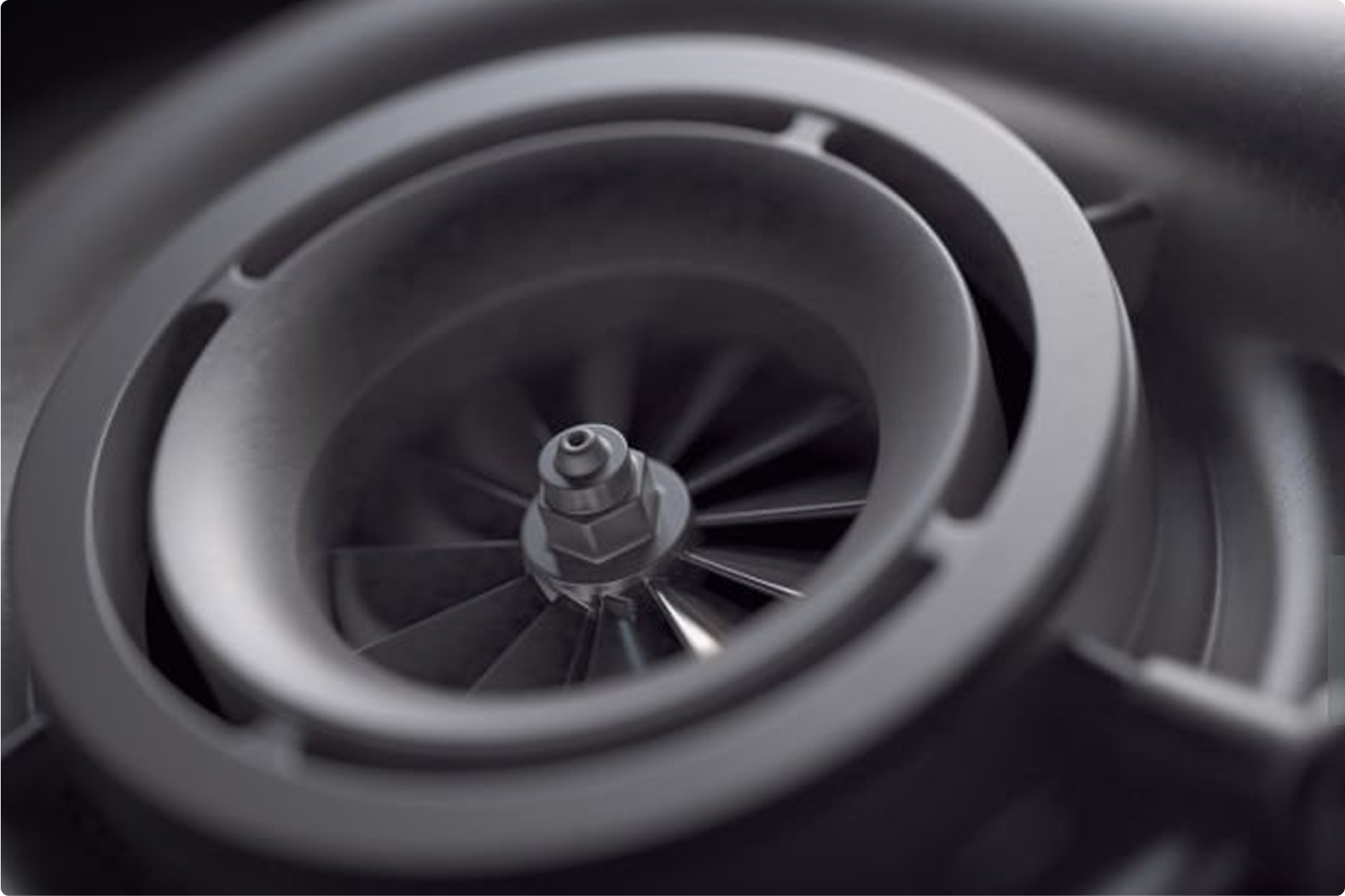
TurboCell is a turbocharger-based generator that combines the best attributes of a turbine with those of a reciprocating engine. Turbochargers are well-engineered components that have been used in engines for decades and are produced globally in large quantities. They require minimal maintenance compared to engine parts like pistons and valves. Their primary purpose is to enhance an engine's peak or transient performance and make it more responsive to rapidly changing loads.
TurboCell’s unique design results in an inverse relationship between torque demand and the power to respond to it. This enables the engine to perform with the high fuel efficiency and ultra-low emissions synonymous with turbines. TurboCell offers the option of AC and DC output, with a rated output voltage of 480 VAC 3P or a range of 750 - 1,500 VDC.
TurboCell supports both bridging and backup power. It delivers a highly efficient, high-performance, and scalable bridging solution that accelerates time-to-market. With ultra-low emissions and an 80,000-hour continuous-duty life, it can provide years of on-site prime power ahead of utility interconnection. Its block-loading and load-following capabilities also enable seamless transition into backup power or flexible load-management operations.
Unlike traditional bridging solutions, which rely on multiple turbines and reciprocating engines with limited utility beyond initial power delivery, TurboCell is a single, universal solution for a wide range of applications.
TurboCell is highly efficient across both full and partial loads. Its flat efficiency curve delivers approximately 36.5% peak DC power across 60-90% load. By avoiding the part-load penalties conventional generation assets incur, TurboCell achieves real-world efficiency gains.
Yes, grid-forming and frequency-agnostic options are available, capable of operating in parallel with the grid through DC bus injection or through its onboard inverter to an AC load bus.
TurboCell’s final enclosure is still being tested, but it is expected to produce approximately 75 dBA of noise at 23 feet, which is similar to a typical dishwasher or washing machine. Lower dBA enclosure options are available.
TurboCell features an 80,000-hour life, has only three moving parts in the engine core and requires oil changes every 15,000 hours (approximately every 2 years). Compared to diesel generators, which generally need oil changes every 500-1,000 hours and have a lifecycle of 15,000 hours, TurboCell delivers reliable, clean power with dramatically lower maintenance.